









Arizona is on the front lines of a deadly drug crisis. As a border state attorney general, I’m alarmed by the Trump administration’s actions at our southern border. Or perhaps I should say inaction, if reports by The New York Times, Reuters and other outlets are any guide.
The federal government is effectively abandoning its fight against drug and human trafficking as it prioritizes immigration enforcement. Federal drug prosecutions are down 10% through September this year, compared with the same nine-month period last year. Teams that once pursued child-exploitation cases are being discarded. Customs and Border Protection (CBP) checkpoints along Arizona state Route 82, one of the major passages used by drug traffickers from Nogales, in southern Arizona, have gone unattended, the Wall Street Journal reported in October. And the number of people charged with money laundering has dropped by almost a quarter, the lowest level since Donald Trump was operating casinos in the 1990s.
My state is the fentanyl funnel for the rest of the nation.
My state is the fentanyl funnel for the rest of the nation: More than half of all the fentanyl seized in this country every year is confiscated in Arizona. During my tenure as attorney general, Arizona state law enforcement has seized more than 27 million fentanyl pills. In recent months, the Arizona attorney general’s office has announced more than 20 years in prison sentences for drug traffickers, with tens of thousands of fentanyl pills seized as part of those cases.
Now is not the time to let up on drug-fighting efforts, particularly because a new drug is making its way into our communities: Carfentanil, an analog of fentanyl, is 100 times stronger than fentanyl itself. Cocaine and methamphetamine also remain dangers to public health and safety.
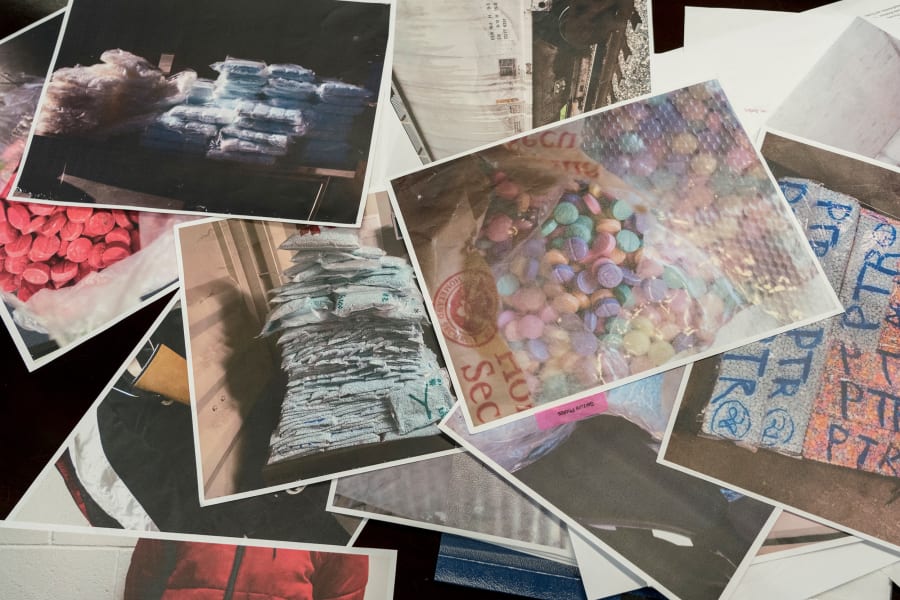
We have made so much progress in our fight against the Mexican drug cartels. But Trump is dropping the ball. His recent pardon of the former president of Honduras defies logic and his own past pronouncements. Prosecutors said Juan Orlando Hernández flooded more than 500 tons of cocaine into the United States. He even bragged that he would “stuff the drugs up the gringos’ noses.” Yet Trump granted him clemency, as he has for other drug kingpins, even though the president has cited the flow of contraband drugs as one of his reasons for implementing tariffs and for launching boat strikes in the Caribbean.
Instead of keeping up the fight against illegal drugs here at home and working with states like Arizona to ensure that communities across the country are safe, Trump has redirected the federal law enforcement apparatus against American cities. Instead of focusing on Mexican drug cartels for the past few months, federal agents in Chicago were zip-tying American citizens, including innocent children. Immigration and Customs Enforcement agents in Los Angeles body-slammed a 79-year-old man outside of his business in September.

More than 170 U.S. citizens have been detained and held by immigrations agents, ProPublica has found. Even more worrying, almost 75% of people detained by ICE this year have no criminal conviction history whatsoever, the Cato Institute reports. Contrast that with the fact that some ICE recruits have shown up for training with disqualifying criminal backgrounds of their own.
While the number of illegal border crossings is down this year, most drugs come across the U.S. border at legal ports of entry, primarily in vehicles driven by U.S. citizens. That’s why Arizona needs more Drug Enforcement Administration agents, as I have repeatedly called for this year. We need the agents from Homeland Security Investigations and the FBI assigned to protect our communities to be able to focus on that work — and not to be pulled from their missions to chase migrants working as maids and landscapers. And we can’t have CBP abandoning Route 82.
Arizona cannot do it alone. We need the federal government to do its job. More than 40% of Americans personally know someone who has died from a drug overdose, a RAND study found last year. Fentanyl and other synthetic opioids have wreaked havoc on American communities. There is a risk to American neighborhoods and families if the flow of fentanyl across our southern border is not stemmed because of a lack of focus by federal law enforcement. As Arizona’s top law enforcement officer, it’s my job to protect our state and the rest of the country from the spread of fentanyl and other deadly drugs over our southern border. We in Arizona are doing that work every day that I am in office. But Arizona cannot do it alone. We need the federal government to do its job. The president should do what he promised during his campaign to help states like Arizona protect citizens: by going after the really bad guys, criminal gang members, drug dealers and cartel members — not innocent Americans. It’s time to focus precious law enforcement resources on the actual criminals.
Arizona Attorney General Kris Mayes
Kris Mayes is attorney general of Arizona. 

