Welcome to “The Blueprint with Jen Psaki” newsletter. Each week, Jen dives into the key players, emerging issues and strategic movements shaping the future of the Democratic Party. Subscribe now to get her insights delivered straight to your inbox.
Signing the Petition
There should be no doubt after today’s news from Capitol Hill that the cost of health care is a winning issue for Democrats.
Four vulnerable House Republicans confirmed that on Wednesday morning, when they signed on to a discharge petition authored by Democratic Leader Hakeem Jeffries that would force a floor vote on extending subsidies under the Affordable Care Act.
This is the same legislative tactic that was used successfully to force a vote on the release of the Epstein files. In that case, a discharge petition that initially attracted just four Republican signatures ultimately passed on the House floor by a near-unanimous margin. Notably, the deadline to release the full Epstein files arrives in only two days.
While we shouldn’t expect similar results this time, the defections underscore both the political power of health care costs and the willingness of some Republicans to break with little Mike Johnson and the White House when their own political survival is at stake.
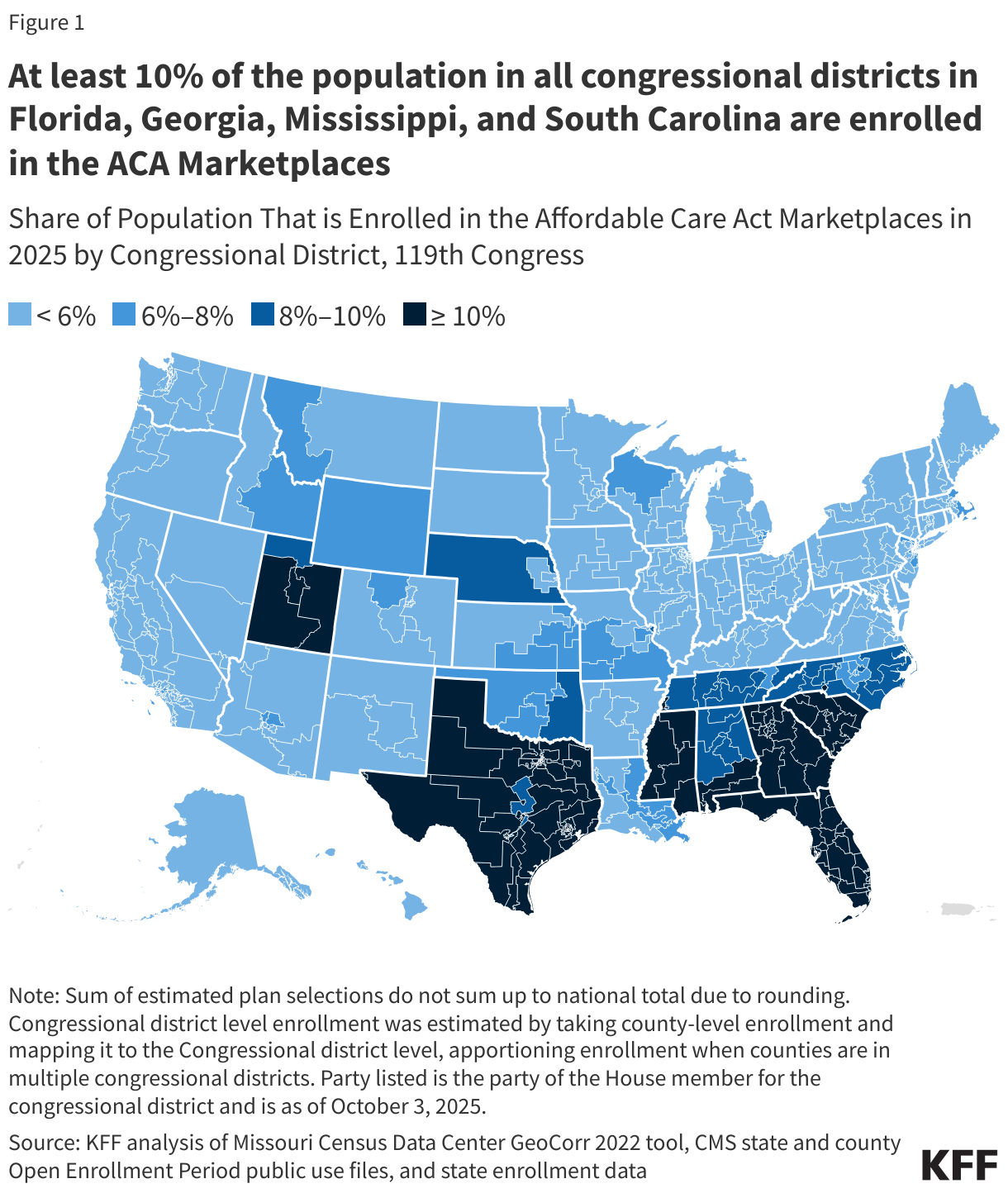
That calculation isn’t difficult. Almost three-fourths of the public supports extending the subsidies, and a majority of those who would be affected live in states Donald Trump won. Florida, Georgia, Mississippi and South Carolina have the largest ACA enrollment shares.
That said, the path ahead is long. A discharge petition does not trigger an immediate vote. Once a petition reaches the required 218 signatures, backers must wait seven legislative days before it can be brought to the floor.
Even if the House passes the measure, the Senate would still need to act. The last attempt to extend the subsidies drew only 51 votes, meaning supporters would need to secure nine additional members to overcome the 60-vote threshold.
As a result, this almost certainly will not be resolved before the subsidies expire at the end of the year or before Congress adjourns later this week.
What’s more likely is a frantic January push, with a discharge petition vote large enough to pressure Senate Majority Leader John Thune to bring the issue to the floor despite resistance from the White House and even the speaker.
It sounds improbable until you remember that it’s exactly what happened with the Epstein files.
And if an extension made it to President Donald Trump’s desk and he still refused to sign it, that would only confirm that he has lost touch with the political winds even more than previously imagined. “When will there be accountability for Trump’s war crimes? Is there a way for Trump and his Cabinet to be removed from office?” — Lynn B. Hi Lynn, Congress does have the power to impeach and take a president out of office if they’re found guilty of the impeachment crimes brought by the House of Representatives. For any president, if the House adopts articles of impeachment, the Senate holds a trial, and if it finds them guilty, the official is removed. Sounds simple! But, of course, the House and Senate are controlled by Republicans, so any articles of impeachment introduced by any Democrats will not pass a majority vote. There are an overwhelming number of ethical questions arising in Trump’s presidency. From his family’s companies raking in billions of dollars of profit to his illegally appointing judges to prosecute his “enemies” and deporting hundreds of migrants without justification, there is no shortage of corruption scandals. At the same time, there has been a massive wave of protests across the country in which millions of people have gone out to stand up to Trump. While Trump’s corruption is on full display in the White House, everyday citizens and groups are standing up to fight. And that fight must continue. Every week, Jen selects a question to answer from a newsletter subscriber. If you have a question for Jen, submit it here and subscribe to the newsletter and for a chance to be featured in a future edition.
Jen Psaki is the host of "The Briefing with Jen Psaki" airing Tuesdays through Fridays at 9 p.m. EST. She is the former White House press secretary for President Joe Biden. Recommended


Join the Debate

Ask Jen